


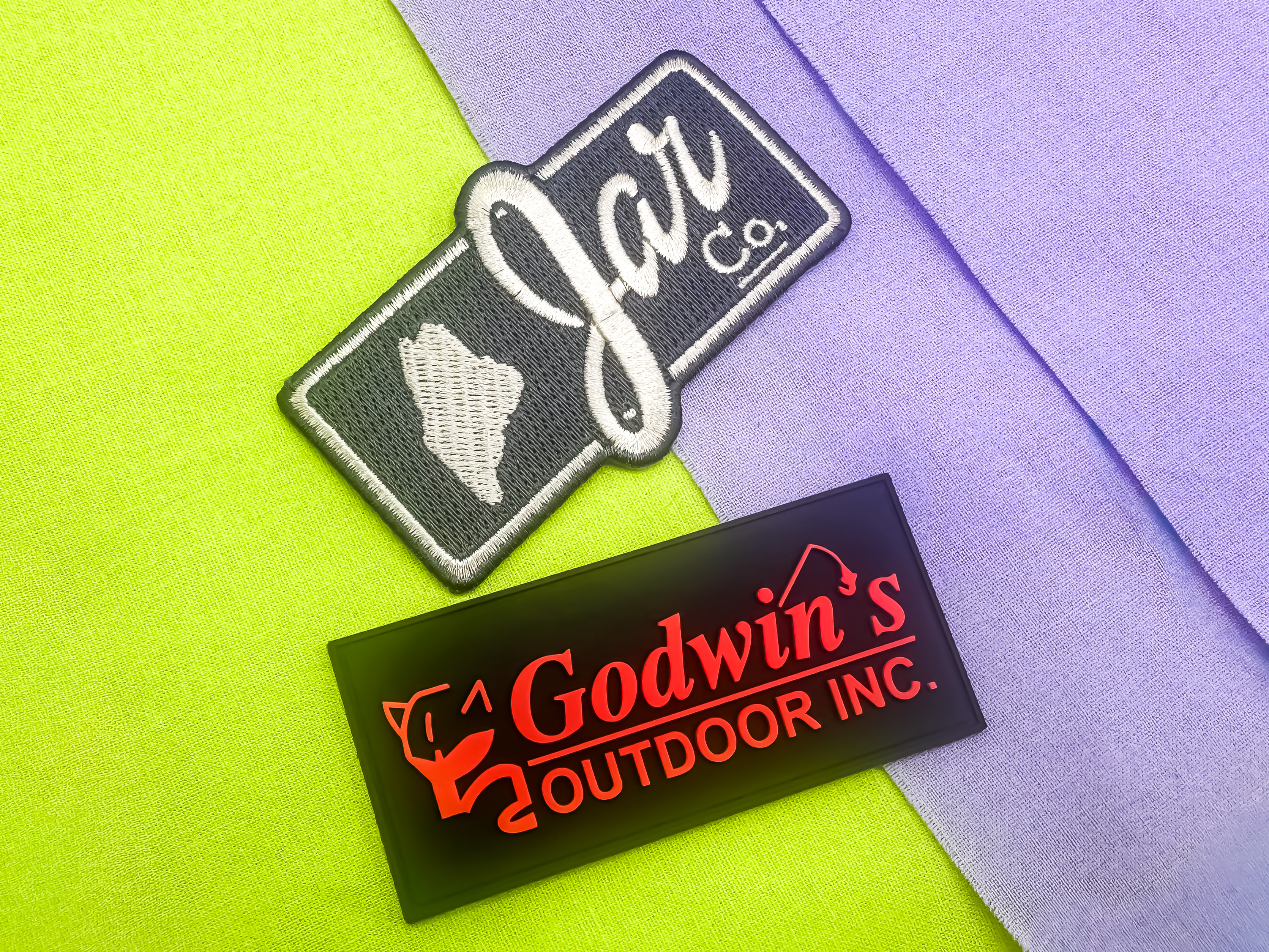
Two patch types dominate the custom apparel game when you want your brand to truly stand out. Embroidered patches bring that classic, premium thread texture everyone recognizes from heritage streetwear and workwear. PVC patches offer a modern, tactile alternative with razor-sharp lines, waterproof durability, and a distinct 3D aesthetic. Both have their place in the culture, but knowing which one fits your project makes the difference between an amateur drop and a professional capsule collection.
Let's break down what actually matters when choosing between embroidered and PVC patches. No fluff, just the details that affect your bottom line and your brand image.
The Fundamental Difference
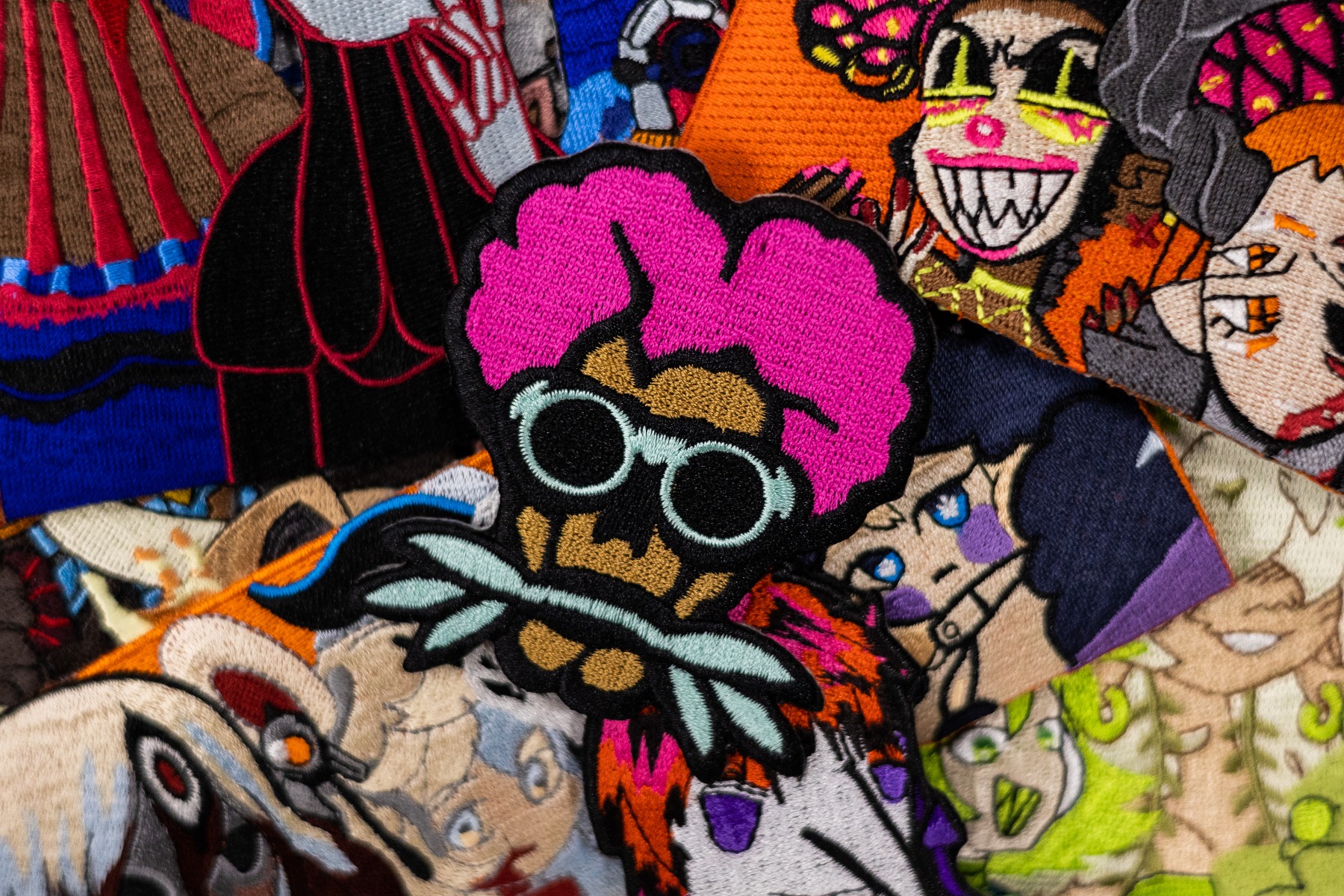
Embroidered patches are made with thread stitched into a fabric or plastic backing. Every design element gets built up with layers of thread, creating actual textile texture and dimension. You can feel the design elements, see the thread structure, and touch the raised areas.
PVC (Polyvinyl Chloride) patches are made from a durable, flexible plastic that feels similar to soft rubber. Instead of being stitched, the design is created by pouring liquid vinyl into a custom-sculpted mold, which is then baked to harden. This process allows for precise layers, hard lines, and a completely waterproof finish that is entirely smooth or explicitly stepped in three dimensions.
This core difference in manufacturing affects everything else: cost, durability, appearance, application methods, and what designs work best with each process.
Visual Impact and Design Flexibility
Embroidered patches own the classic premium look. Thread creates depth, shadow, and organic texture that customers associate with timeless style and established brands. The raised elements catch light dynamically, creating visual interest that flat or molded synthetic materials cannot replicate. However, design limitations exist with embroidery. Small text can disappear, fine lines can bleed together, and complex details can get lost in the needlework.
PVC patches excel at high-tech, ultra-clean graphics. If your brand relies on crisp geometric lines, minimalist modern typography, or micro-details, PVC delivers flawless execution. Because it utilizes a mold, there is no thread to fray or blur.
Color matching also differs between the two processes. Embroidered patches use thread colors, meaning you have to work within available thread palettes. PVC patches use custom-mixed liquid pigments, offering exact Pantone color matching to your brand specifications and allowing for sharp, high-contrast color blocking.
Durability and Longevity
Embroidered patches are highly durable, handling normal washing, drying, and daily wear better than printed alternatives. However, they are still made of fabric and thread, meaning they can snag on rough surfaces, absorb dirt, and eventually fade or fray over years of heavy exposure to the elements.
PVC patches are virtually indestructible. They are entirely waterproof, weatherproof, and UV-resistant. They won’t crack, peel, fade, or fray, making them the perfect for products like outdoor gear, tactical apparel, heavy-duty workwear, and outerwear. If a PVC patch gets muddy, you simply wipe it clean.
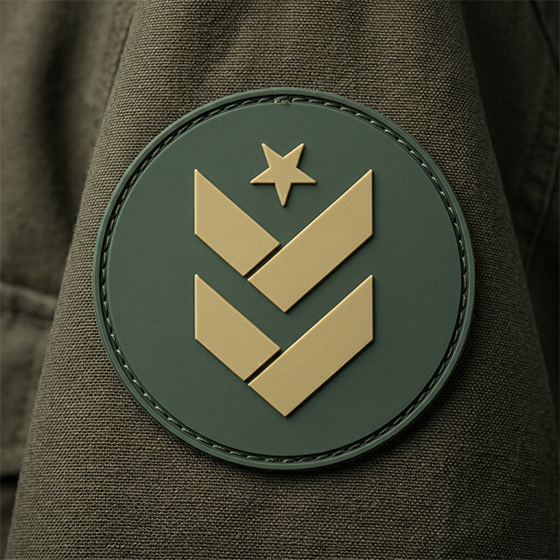
When analyzing patch backing types for durability, twill or canvas backings give embroidered patches excellent stability. PVC patches don’t require a fabric backing; the material itself is the structure, providing unmatched structural longevity through any weather conditions.
Cost Considerations
Setup costs heavily favor embroidered patches for simpler designs or smaller, agile runs. Once digitization is complete, the setup is done. PVC patches require a physical metal mold to be custom-engraved before production even begins. We incorporate the cost of this process into our pricing model so that everything is included in the unit price for your order. But the added processes to the manufacturing of PVC patches does make the patches more expensive upfront for initial prototypes or small sample runs.
The crossover point typically occurs at larger quantities. Volume pricing differs significantly between the two: while embroidered patches drop in price quickly as quantities increase, PVC patches become incredibly cost-effective at high volumes because the mold can be reused rapidly, offsetting the initial setup fee.
You must also consider the total cost including application. Both types can be sewn on, but their weight and thickness will dictate the labor and machinery needed to finish the garment.
Application Methods: Sew-On vs. Heat Applied
How you attach your patch dictates how the final product drapes, moves, and holds up over time.
Sew-On Application (The Gold Standard)
Sewing is the traditional, most secure attachment method for both styles.
- For Embroidered Patches: The visible stitching around the merrowed or laser-cut edge becomes part of the design aesthetic, blending seamlessly into the fabric.
- For PVC Patches: PVC patches are manufactured with a specialized "sewing groove" or “sew ditch” which is a recessed channel around the perimeter of the patch. This ensures the sewing machine needle can pass through easily without piercing the thicker 3D elements of the design, resulting in a flush, incredibly secure bond that will never tear away from the garment.
Iron-On / Heat Applied Application
Heat application offers a clean, hardware-free look but behaves differently with each material.
- For Embroidered Patches: Iron-on backing is widely popular and highly effective. The heat melts the adhesive directly into the weave of both the patch backing and the garment, creating a solid bond that is perfect for hats, hoodies, and jackets.
- For PVC Patches: Heat application requires extreme precision. Because PVC is a synthetic polymer, applying too much heat from a standard household iron or an uncalibrated heat press can warp, melt, or distort the face of the patch. While professional heat-applied backings exist for PVC, they require strict adherence to temperature settings to ensure the adhesive melts without damaging the vinyl design.
Performance in Different Applications
Embroidered patches work best for: lifestyle streetwear, heritage brands, corporate apparel, team caps, and traditional uniforms. They bring warmth, texture, and an organic feel to structured garments like heavy denim, canvas work jackets, and fleece.
PVC patches excel for: technical outerwear, rainwear, tactical gear, backpacks, rubberized accessories, and modern streetwear brands looking for a sleek, industrial aesthetic. They also perform exceptionally well on synthetic, water-resistant fabrics where a traditional hot iron would damage the material.
Quality Indicators to Watch
Embroidered patch quality shows in thread density, design registration, and edge finishing. High-quality embroidered patches have consistent stitch density with zero gaps, clean design outlines, and finished borders that won't fray. Quality digitization translates your artwork into clean needle movements.
PVC patch quality depends on mold precision and liquid execution. Look closely at the borders between colors: high-quality PVC has zero bleeding or overlapping between different color fields. The layers should be perfectly level, the 3D steps should be sharp, and the sewing groove should be uniform all the way around the perimeter.
Making the Right Choice for Your Project
- Start with your brand identity: If your aesthetic is rugged, vintage, or classic corporate, choose embroidered patches. If your brand is tech-focused, modern streetwear, or high-performance athletic, PVC is your move.
- Analyze your artwork: Fine text and geometric perfection point toward PVC. Soft gradients and organic, textured logos work beautifully with embroidery.
- Evaluate the environment: If the garment is going to face mud, rain, or heavy friction, PVC patches win on pure utility. For everyday lifestyle wear, embroidery offers the comfort and flexibility customers expect.
The Bottom Line
Choose embroidered patches when you want a classic premium appearance, comfortable flexibility, and a lower initial setup cost for traditional apparel lines. The investment pays off in immediate brand recognition and a timeless aesthetic.
Choose PVC patches when you need bold 3D depth, exact color matching, waterproof durability, and a modern edge that stands up to the harshest elements. They solve design problems that thread simply can't handle.
The information below is required for social login
Sign In
Create New Account