


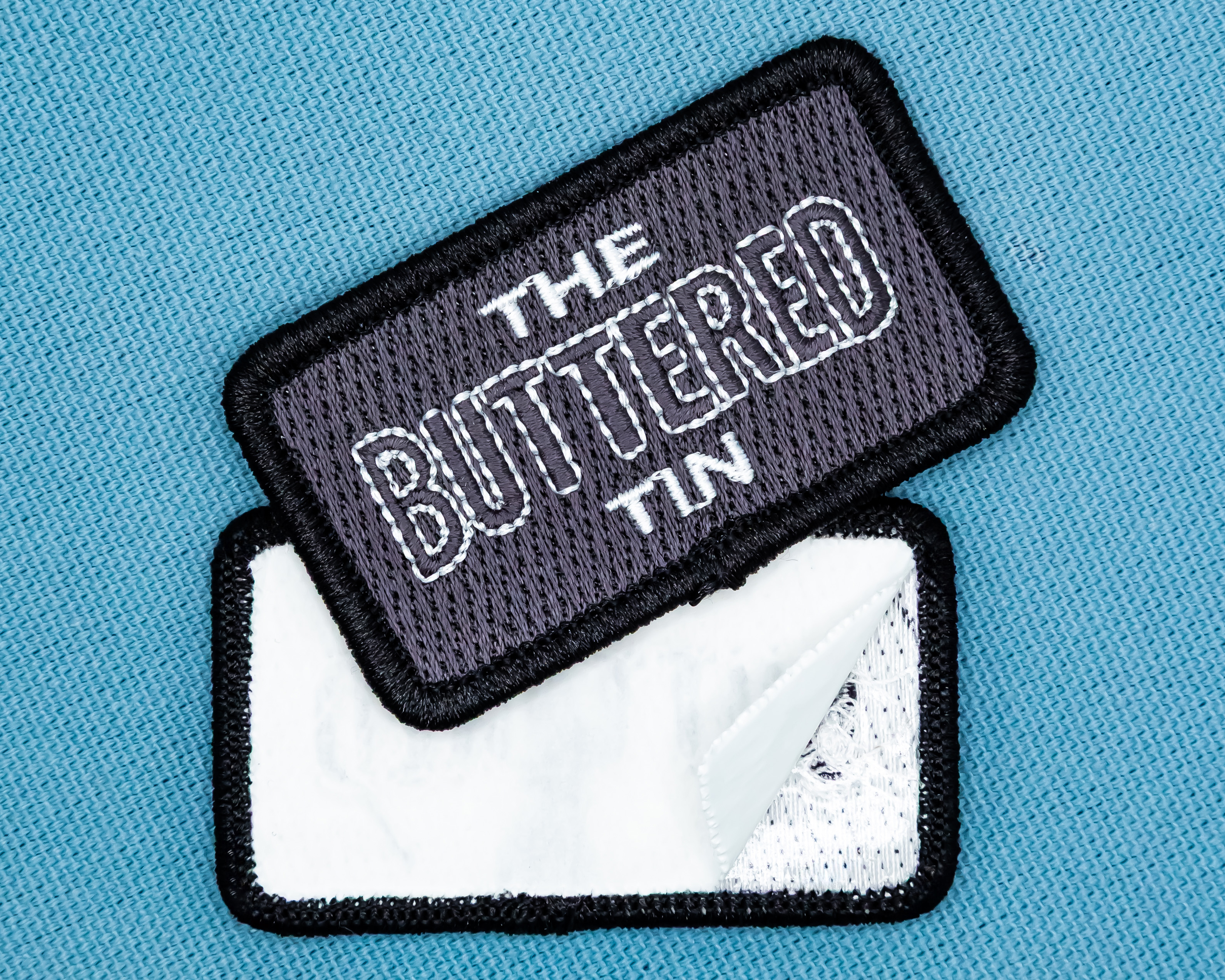
You've designed the perfect patch for your team, organization, or business. The colors look great, the embroidery captures every detail, and you're ready to place your order. Then comes the question that stops many customers in their tracks: Velcro® or iron-on backing?
This choice matters more than you might think. Pick the wrong attachment method, and your patches could fall off uniforms, damage expensive fabrics, or create bulk where you don't want it. Choose correctly, and you'll have patches that stay exactly where you put them for years.
After working with thousands of patch customers since 2008, we've seen both backing types succeed and fail in different situations. The "better" option always depends on how you plan to use your patches, how often they'll be moved, and what kind of fabric they are being applied to.
How Velcro Patches Work
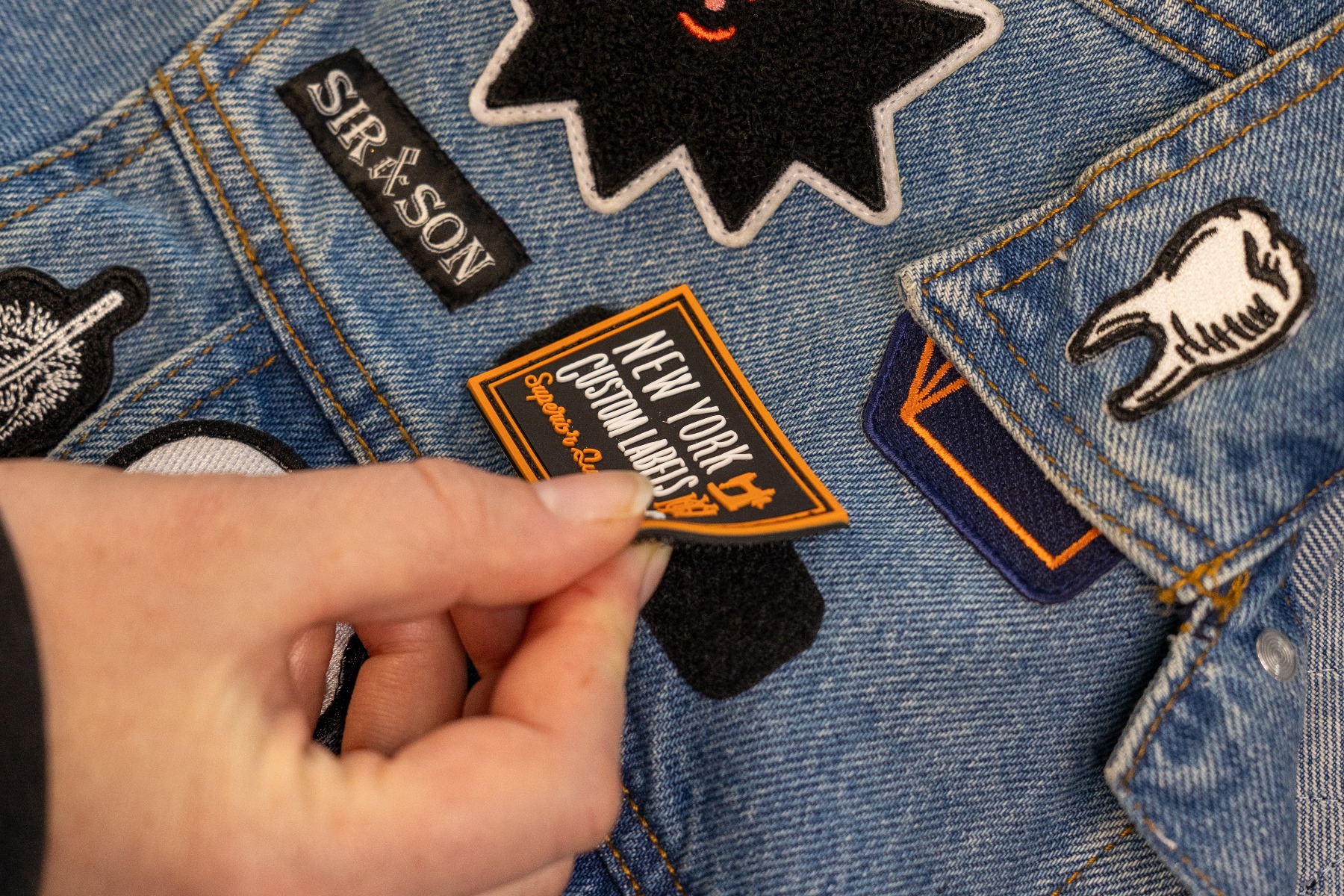
Velcro patches use hook-and-loop fastener systems, which consist of one side with tiny hooks, the other side has soft loops that grab onto those hooks when pressed together. The hook side typically gets sewn or adhered to your uniform or gear, while the loop side attaches to the back of your patch.
This creates a removable attachment system that lets you swap patches between garments, update name tags, or rotate seasonal designs without permanent alteration. The connection feels secure when properly engaged but releases with deliberate pulling force.
Modern velcro uses nylon or polyester construction that handles repeated attachment cycles without losing grip strength. Quality hook-and-loop systems maintain their holding power through hundreds of connect-disconnect cycles, though the exact number depends on the force used and environmental conditions.
The velcro adds about 3mm of total thickness to your patch—the hook side is roughly 1.5mm thick, and the loop side adds another 1.5mm. This extra bulk affects how the patch sits on thin fabrics and can create visible edges under fitted garments.
Iron-On Patch Mechanics
Iron-on patches use heat-activated adhesive that bonds permanently to fabric when you apply heat and pressure. A layer of thermoplastic adhesive on the patch back melts when heated, flows into the fabric weave, then hardens as it cools to create a mechanical bond.
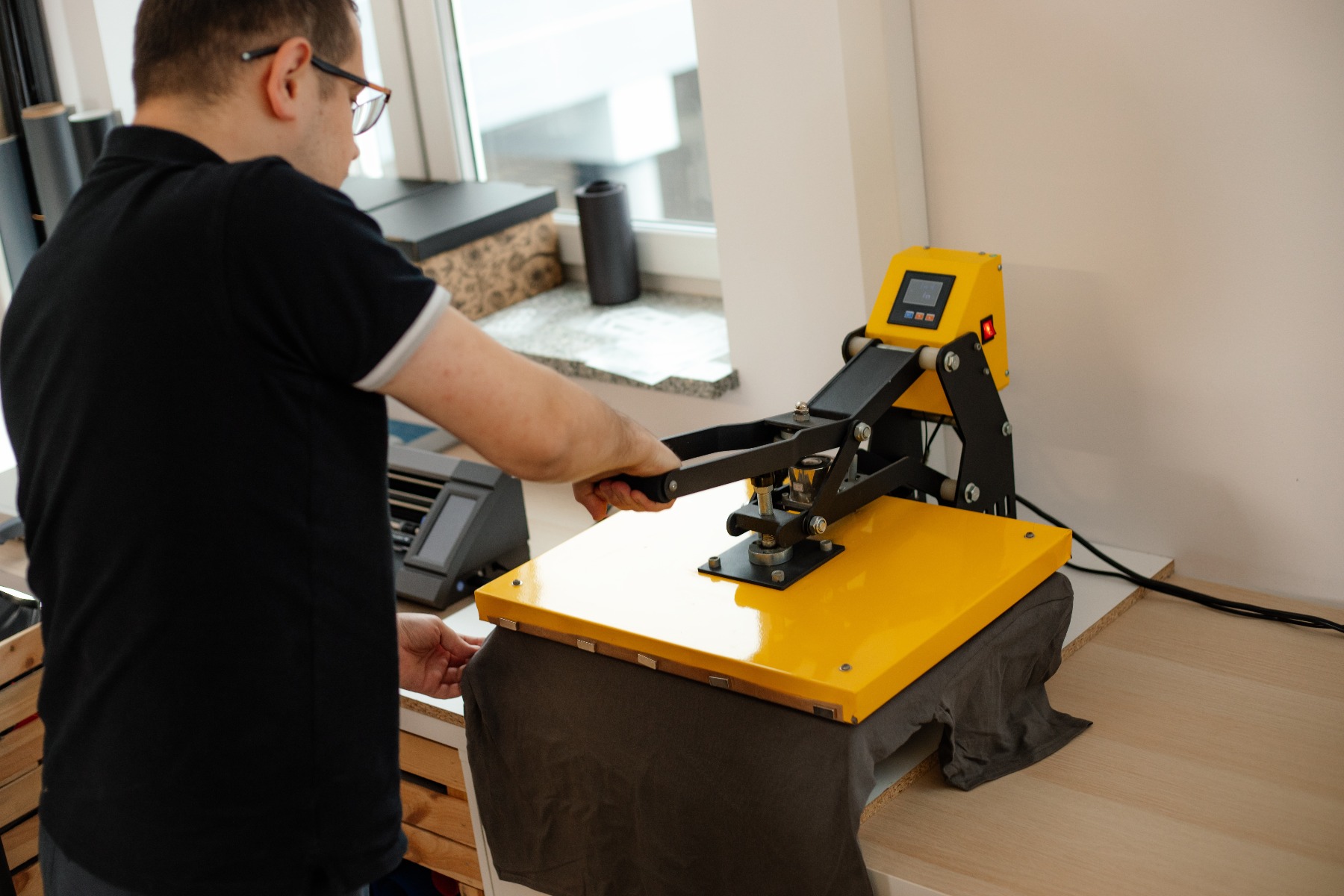
The application process requires specific temperature and timing—typically 300-350°F for 15-20 seconds with firm pressure. Too little heat or time and the bond won't form properly. Too much heat can damage synthetic fabrics or cause the adhesive to migrate beyond the patch edges.
Once properly applied, iron-on patches create a smooth, low-profile attachment that adds minimal bulk to the garment. The patch becomes essentially part of the fabric, moving and flexing with the base material.
The adhesive works best on natural fibers like cotton and cotton blends. Synthetic fabrics with tight weaves or special coatings may not provide enough surface area for strong adhesion. Performance fabrics with moisture-wicking treatments often reject iron-on adhesives entirely.
Durability and Longevity Comparison
Velcro patches excel in reusable applications but face durability challenges from repeated handling. The hook side can snag on other fabrics during washing, potentially damaging delicate items in the same load. The loop side collects lint, hair, and debris over time, reducing its gripping ability.
Quality velcro maintains functionality for 500-1000 attachment cycles under normal use, but aggressive handling or contamination can reduce this significantly. Military and tactical users often replace velcro components annually in high-use applications.
The patch itself typically outlasts the velcro attachment system. When hook-and-loop fasteners wear out, you can often replace just the velcro components rather than the entire patch, extending the useful life of expensive custom embroidery.
Iron-on patches provide excellent longevity when properly applied to compatible fabrics. The thermoplastic bond typically lasts 20-30 wash cycles before showing edge lifting, and many well-applied patches last for the life of the garment.
Heat cycling from washing and drying gradually weakens iron-on adhesive. Hot water accelerates this process, while cold water washing extends patch life. Fabric softeners and dryer sheets can interfere with the adhesive bond, causing premature failure.
Iron-on patches rarely fail catastrophically. The patches usually start lifting at corners or edges, giving you warning before complete detachment. Simple re-application with heat often restores the bond for several more months of use.
Cost Considerations
Iron-on patches cost less per piece than velcro alternatives because the backing material is simpler and less expensive. The heat-activated adhesive adds minimal cost to patch production, making iron-on the budget-friendly choice for large orders.
Velcro patches require purchasing both hook and loop components, plus the labor to attach the loop side to each patch. This increases per-piece costs by roughly 30-50% compared to iron-on alternatives, depending on velcro quality and patch size.
Hidden costs affect both systems differently. Velcro patches need matching hook tape or strips on garments, adding material and application costs. Multiple garments requiring patches multiply this expense quickly.
Iron-on patches have minimal ongoing costs but higher failure rates in challenging applications. Replacement patch orders for failed iron-on attachments can exceed the original savings from choosing the cheaper backing option.
Consider cost-per-wear calculations for your specific application. Velcro patches cost more upfront but may provide better value in applications requiring frequent removal or transfer between garments.
Best Applications for Each Type
Velcro patches shine in tactical, military, and professional applications where flexibility matters more than cost. Law enforcement officers swap name tags and rank insignia as they move between assignments. Emergency responders update unit designations and specialized team patches based on current roles.
Corporate environments benefit from velcro systems when employees need different patches for different functions—department identification, temporary project teams, or rotating safety responsibilities. The ability to update patches without damaging expensive uniforms justifies the higher initial cost.
Sports teams and recreational clubs find velcro patches useful for equipment bags, caps, and gear that gets shared between members. Players can personalize equipment temporarily without permanent alteration.
Iron-on patches work best for permanent, decorative, or identification applications where removal isn't needed. School uniforms, team jerseys, and club regalia benefit from the clean appearance and low profile of iron-on attachment.
Children's clothing particularly suits iron-on patches because kids can't easily remove them (preventing loss) and the patches grow with the child's interests. Scout merit badges, achievement patches, and club participation markers work well with permanent attachment.
Promotional and marketing patches often use iron-on backing because recipients apply them once and forget about them. The lower cost per piece makes iron-on practical for large promotional campaigns or event giveaways.
Fabric Compatibility Issues
Velcro works with virtually any fabric that can structurally support the attachment system. The mechanical connection doesn't depend on fabric chemistry, so synthetic blends, treated materials, and specialty fabrics all accept velcro patches equally well.
Thin or loosely woven fabrics may distort around velcro attachments, creating puckering or pulling that affects garment fit. The hook side can catch on other fabrics, potentially causing runs in delicate materials.
Iron-on patches require careful fabric matching for reliable adhesion. Natural fibers like cotton, cotton blends, and wool provide the best surfaces for thermoplastic bonding. The adhesive penetrates natural fiber weaves more effectively than synthetic alternatives.
Synthetic fabrics present challenges for iron-on application. Polyester and nylon fabrics often have low surface energy that resists adhesive bonding. Performance fabrics with moisture-wicking or antimicrobial treatments create barriers that prevent proper adhesion.
Heat-sensitive materials like spandex, lycra, and some synthetic blends can be damaged by iron-on application temperatures. Always test on an inconspicuous area before applying iron-on patches to expensive or irreplaceable garments.
Professional vs DIY Application
Velcro patch installation requires basic sewing skills when attaching the hook side to garments. Hand-sewing works for small applications, but machine stitching provides more durable attachment for patches that will see heavy use.
Professional uniform services often install velcro hook strips during garment manufacturing or alteration, ensuring consistent placement and secure attachment. DIY installation works fine for personal use but may lack the precision needed for professional appearance standards.
Iron-on application looks simple but requires technique for consistent results. Uneven heat, insufficient pressure, or incorrect timing creates weak bonds that fail prematurely. Household irons often have temperature variation that affects adhesive activation.
Professional heat press equipment provides consistent temperature and pressure across the entire patch surface, creating more reliable bonds than home application. Many uniform shops and custom apparel services including New York Custom Labels offer professional iron-on application for a small fee.
Environmental and Washing Considerations
Velcro patches handle environmental extremes better than iron-on alternatives. The mechanical connection doesn't depend on chemical bonds that break down in heat, cold, or moisture. Velcro functions normally from -40°F to +180°F, covering most human activity ranges.
Typically, when washing garments with patches with velcro backings, the patches are removed to prevent the hook side from damaging other items in the wash. This adds an additional step to the laundry routine, but protects both the patches and other clothing items.
Store velcro patches with hook and loop sides pressed together to prevent the hooks from collecting debris. Clean contaminated velcro with a stiff brush or needle to remove embedded lint and restore gripping power.
Iron-on patches stay attached during washing but face thermal stress from temperature cycling. Hot water and high-heat drying accelerate adhesive breakdown. Cold water washing and air drying significantly extend iron-on patch life.
Avoid fabric softeners and dryer sheets with iron-on patches—these products can interfere with the adhesive bond and cause edge lifting. Pre-existing fabric softener residue on garments may prevent proper initial bonding during application.
Making Your Decision
Choose velcro backing when you need flexibility, plan to move patches between garments, or work in professional environments where patch updates are routine. Accept the higher cost and increased bulk for the convenience of removable attachment.
Select iron-on backing for permanent applications, budget-conscious projects, or situations where low profile matters more than removability. Ensure fabric compatibility and plan for eventual replacement as the adhesive ages.
Consider hybrid approaches for complex needs. Use velcro for name tags and ranks that change frequently, but iron-on for organizational logos and permanent identification that stay constant.
Test both systems in your specific application before placing large orders. Custom embroidered patches represent an investment in your organization's image—choose the attachment method that supports that investment over the long term.
Quality matters regardless of backing type. Professional-grade velcro systems and industrial iron-on adhesives perform significantly better than economy alternatives. The small additional cost for premium backing materials often pays for itself in extended patch life and reduced maintenance.
Whether you choose velcro or iron-on backing, proper application and care will maximize your patch investment. Both systems work well when matched correctly to their intended use, but neither works well when forced into inappropriate applications.
The information below is required for social login
Sign In
Create New Account