

Starting a clothing line is one part creative vision, two parts business execution. While most aspiring designers focus on sketches and fabric selection, the brands that succeed understand something crucial: the details that seem small, labels, tags, and packaging, are often what separate professional brands from amateur attempts.
We've worked with hundreds of clothing startups over the past 18 years, from single-person operations launching their first t-shirt design to venture-backed companies preparing for retail distribution. The successful ones always invest in proper branding elements from day one. Here's everything you need to know about the labeling and packaging essentials that will make your clothing line look legitimate and feel premium.
Why Labels and Tags Matter More Than You Think
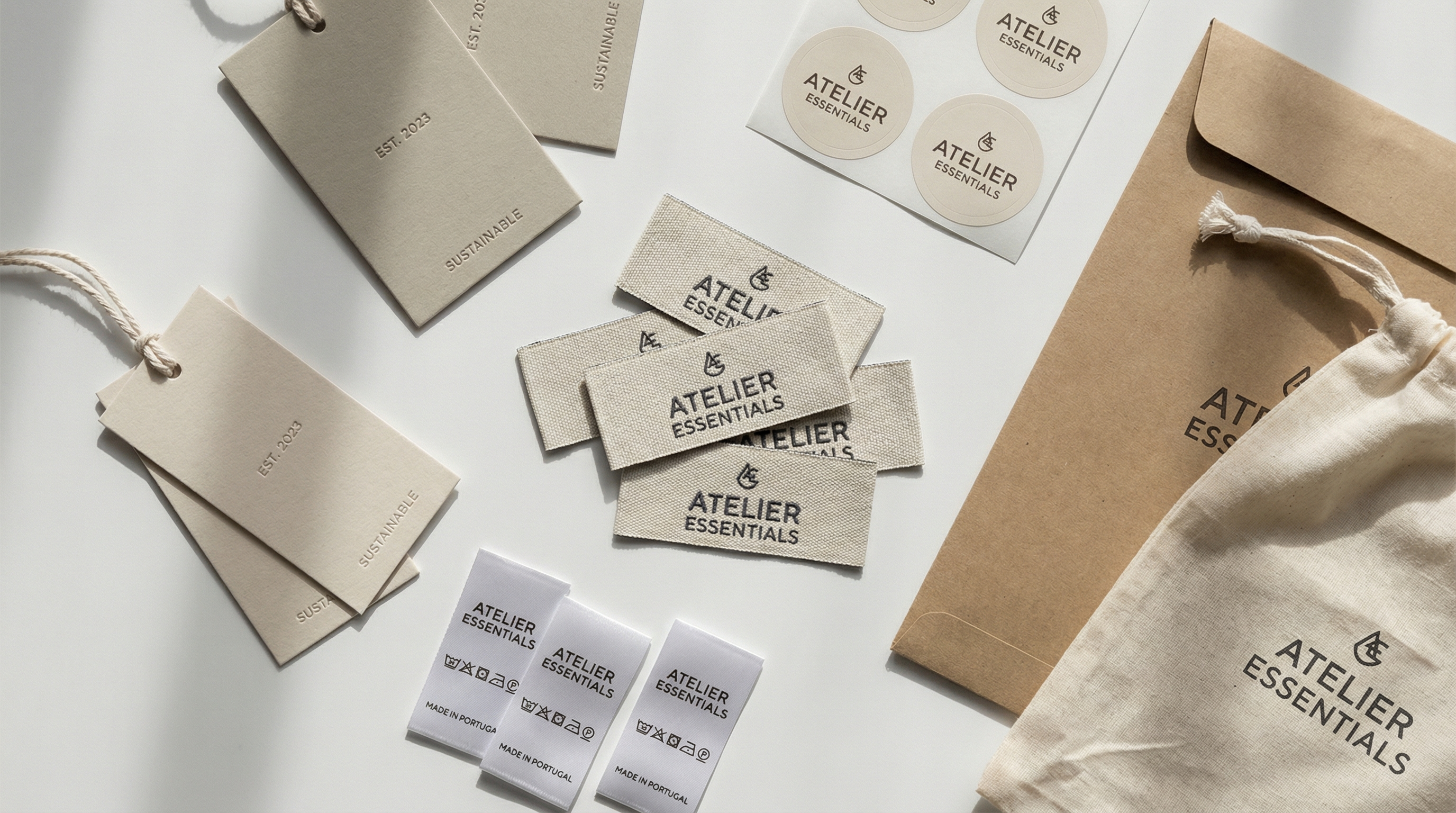
Custom labels and tags are investments that pay for themselves through increased perceived value and customer trust. For brands starting out they are just as important as the finished product, we believe, products aren't finished until their labels and tags are applied.
Think about the last time you bought a piece of clothing. You probably checked the label to see where it was made, what it was made of, and how to care for it. That tiny piece of fabric communicated volumes about the brand's attention to detail and professionalism. Now imagine if that same garment had no labels at all, or worse, someone else's labels. The immediate assumption would be that it's a cheap knockoff or amateur production.
Labels serve multiple purposes beyond legal requirements. They're micro-billboards for your brand, appearing every time the garment or product is handled. They provide essential care information that prevents returns due to washing mistakes. They establish trust through transparency about materials and manufacturing. Most importantly, they make your products feel finished and professional.
Quality labels also increase the resale value of your garments. Customers who invest in well-labeled clothing feel confident selling or donating pieces later because the labels prove authenticity and quality. This creates positive associations with your brand that extend beyond the initial purchase.
Legal Requirements: What You Must Include
Before we get into branding opportunities, let's cover the mandatory elements. The Federal Trade Commission (FTC) requires specific information on clothing labels sold in the United States, and getting this wrong can result in fines and legal issues.
Fiber content disclosure must list all materials used in order of predominance by weight. If your shirt is 95% cotton and 5% spandex, that's exactly how it should read. Generic names like "cotton" and "polyester" are required — brand names like "Lycra" should be followed by the generic equivalent.
Country of origin must be clearly stated. "Made in USA," "Made in China," "Made in Guatemala" — wherever the final substantial manufacturing took place. This can't be hidden in small text or unclear locations.
Care instructions aren't technically required by the FTC, but they're essential for preventing returns and complaints. Most customers expect washing and drying guidance, and without it, you'll spend time answering questions that a simple care label could handle.
Manufacturer identification requires either your company name and address or a registered identification number. Most small brands include their business name and city/state, which doubles as brand reinforcement.
Types of Labels: Choosing What's Right for Your Brand
The label landscape offers multiple options, each with distinct advantages depending on your brand positioning, budget, and aesthetic goals.
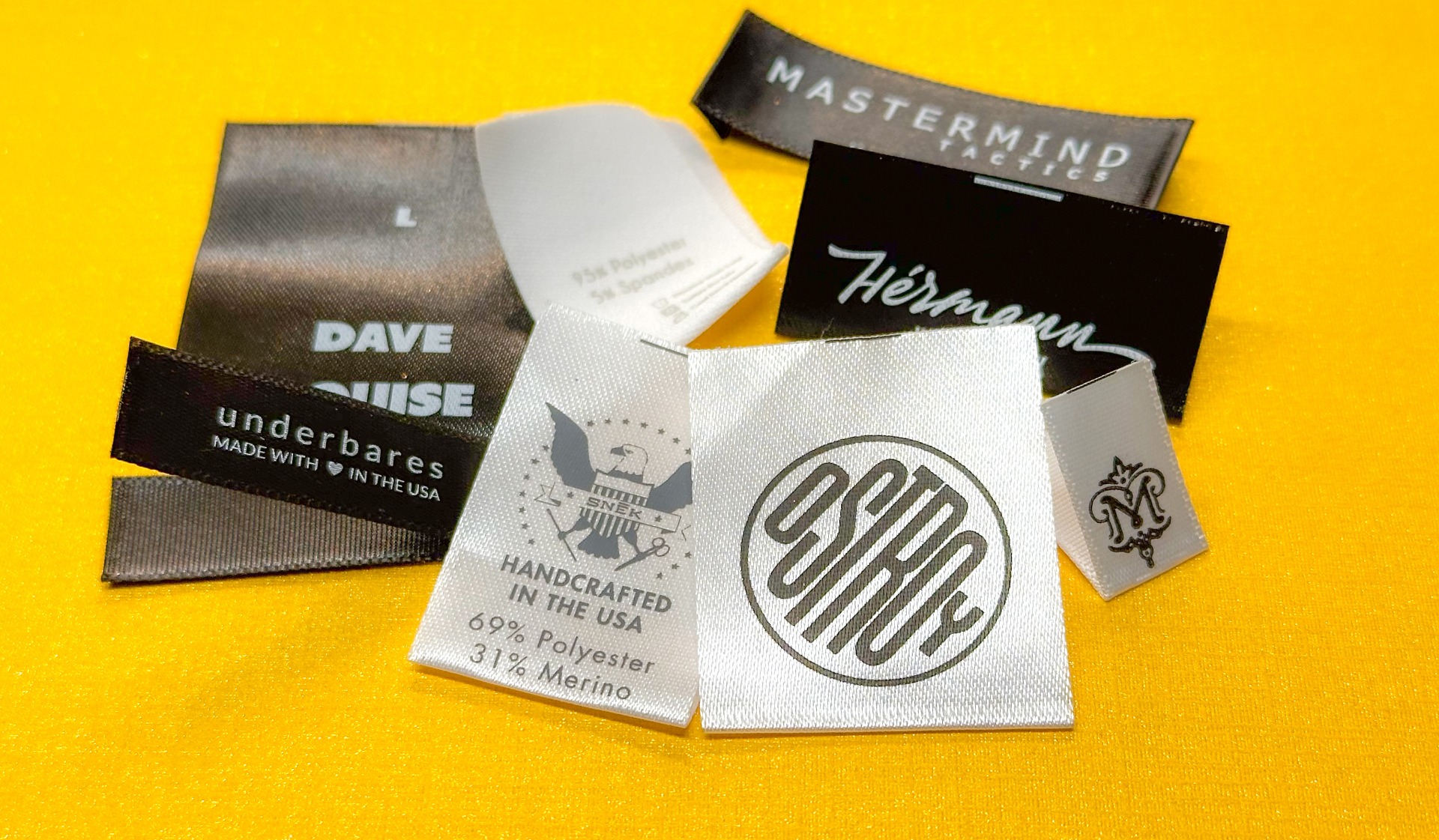
Woven labels represent the premium standard for clothing brands. Made from polyester threads woven together, they're incredibly durable, washable, and capable of fine detail reproduction. Text as small as 5-point remains readable after hundreds of wash cycles. Colors stay vibrant, and the labels maintain their shape and texture throughout the garment's lifetime.
The investment in woven labels pays dividends in perceived quality. Customers immediately recognize the difference between woven and printed labels, even if they can't articulate why. The texture, weight, and visual crispness all signal attention to detail and quality manufacturing.
Woven labels work best for permanent brand labels that you want customers to see and remember. They're ideal for main labels, size labels, and care instruction labels that need to remain legible throughout the garment's life.
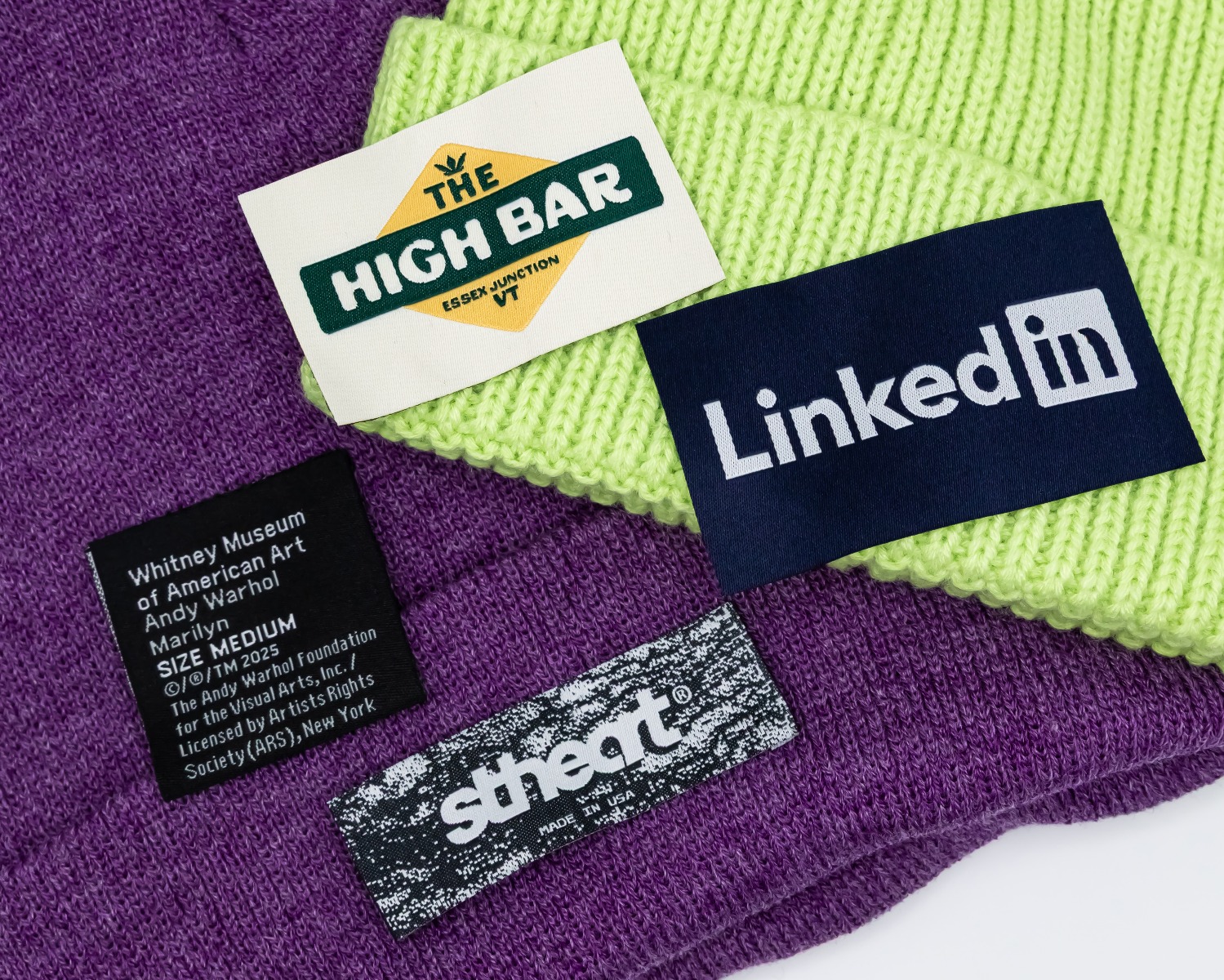
Printed labels offer a cost-effective alternative for certain applications. Modern printing techniques can reproduce complex graphics, gradients, and photographic elements that woven labels can't achieve. They're particularly useful for temporary promotional labels, seasonal branding, or designs that require full-color reproduction.
However, printed labels have limitations. They're not as durable as woven labels, colors can fade over time, and the substrate (usually satin or cotton) affects the final appearance and feel. They work best for fashion-forward brands that change labeling frequently or need specific graphic elements.
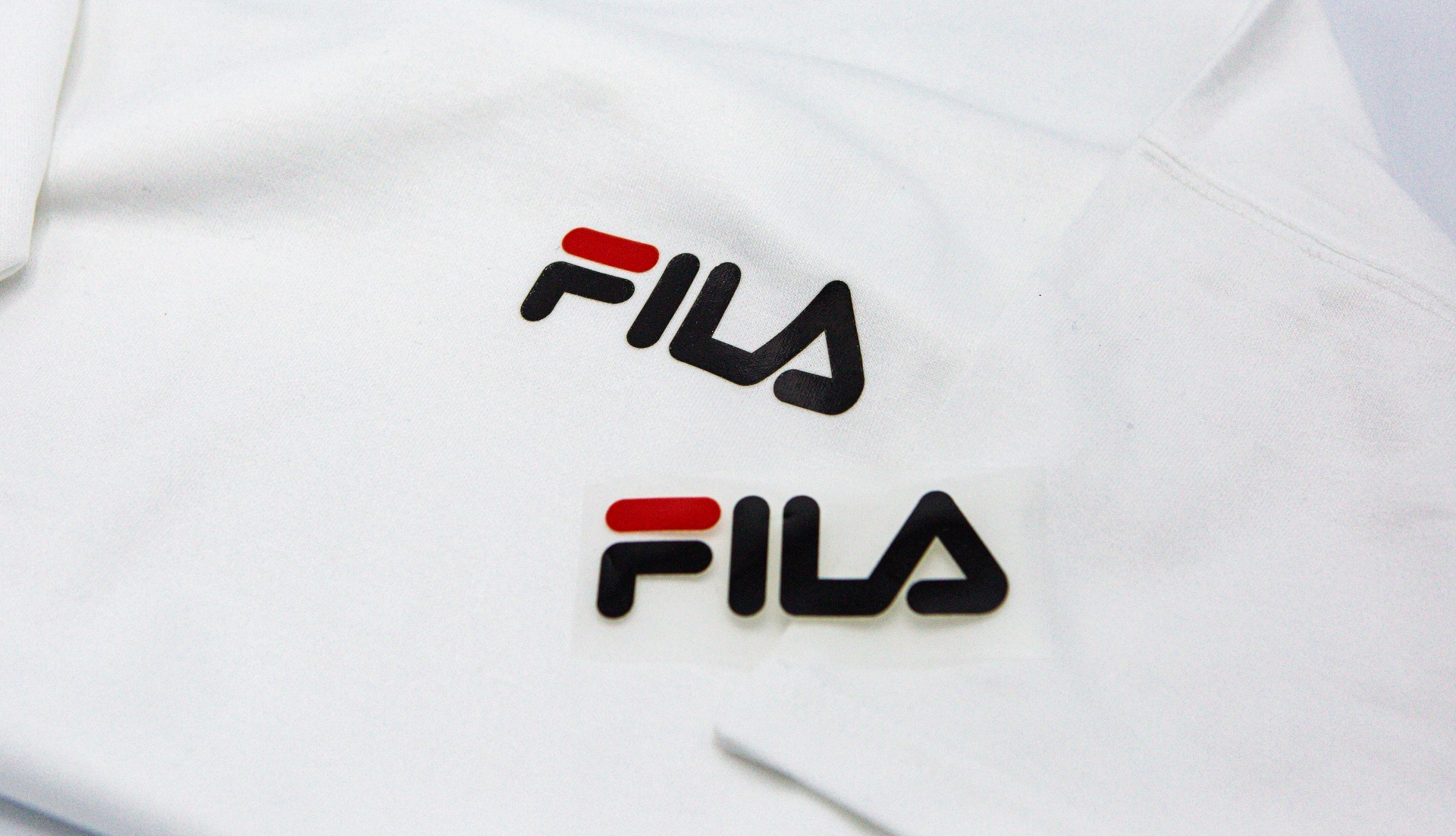
Heat transfer labels provide a middle ground between sewn-in labels and printed options. They adhere directly to the fabric using heat and pressure, creating a smooth, tagless feel that many customers prefer. This option works particularly well for athletic wear, children's clothing, and sensitive skin applications.
The limitation is placement — heat transfer labels typically go inside the neck or side seam where the fabric can handle the application temperature. They're also harder to change once applied, making them less suitable for brands that frequently update their labeling.
Main Labels vs. Care Labels: Strategic Placement
Understanding where and how to place different label types can make or break your brand's professional appearance. Each label position serves a specific function and creates different customer interactions.
Main brand labels typically go in the center back neck position for tops and center back waistband for bottoms. This is prime real estate — the first place customers look when examining a garment. Your brand name, logo, and most important messaging belong here.
Size matters for main labels. Too small, and your brand gets lost. Too large, and it becomes overbearingd or tacky. The sweet spot for most clothing is 1.5 to 2 inches wide, with text large enough to read without squinting but not so large that it overwhelms the design.
Care labels typically go in the left side seam or left neck position. These labels need to be functional first, aesthetically pleasing second. The information should be clear and easy to read, with logical organization that customers can quickly scan.
Many successful brands combine main and care labels into a single woven label that includes brand name, size, care instructions, and legal requirements. This reduces manufacturing complexity while creating a cohesive brand experience.
Size labels often get overlooked, but they're crucial for customer satisfaction and return prevention. Clear, accurate size labeling reduces returns and exchanges while building customer confidence in your sizing consistency. Consider including both numeric sizes and measurements for best results.
Custom Hang Tags: Your Brand's First Impression
While labels are permanent brand reminders, hang tags are your opportunity to make a powerful first impression and communicate your brand story. They're the first thing customers see on the rack, in shipping boxes, and during unboxing experiences.
Design considerations should reflect your brand personality while remaining functional. Minimalist brands might choose simple kraft paper tags with letterpress text. Luxury brands often select thick cardstock with foil stamping or debossed elements. Athletic brands might use synthetic materials that suggest durability and performance.
The information hierarchy on hang tags should prioritize what customers need most. Price and size usually go first, followed by key product features, brand story elements, and care instructions if not included on sewn-in labels.
Shape and size affect both cost and impact. Standard rectangular tags are most economical, but custom die-cut shapes can create memorable brand moments. Consider how the tag will hang on the garment — oversized tags can overwhelm small items, while tiny tags get lost on outerwear.
Attachment methods include safety pins, plastic loops, string, and specialty fasteners. Safety pins are universal and secure but can damage delicate fabrics. String attachments feel more premium but require careful selection to match brand aesthetics. Plastic loops work well for athletic wear but may seem too casual for fashion brands.
Color Psychology and Brand Consistency
Label and tag colors aren't just aesthetic choices, they're tools that reinforce brand positioning and customer perceptions. Understanding color impact helps create cohesive brand experiences that customers remember.
Black labels communicate luxury, sophistication, and exclusivity. They're popular with high-end fashion brands and create strong contrast against most fabric colors. However, black can feel heavy or overly serious for casual or children's brands.
White or natural labels suggest simplicity, purity, and transparency. They work well for organic, sustainable, or minimalist brands. The challenge is maintaining readability against light-colored fabrics and preventing the labels from looking cheap or unfinished.
Brand color labels reinforce color associations while creating cohesive brand experiences. If your logo is navy blue, navy labels create immediate brand recognition. The key is ensuring sufficient contrast with text colors for readability.
Metallic elements like gold or silver thread add a premium feel without significantly increasing costs. They work particularly well for accent details, borders, or small logo elements that catch light and draw attention.
Minimum Order Quantities and Budget Planning
One of the biggest barriers new clothing brands face is minimum order requirements that seem impossibly high when you're just starting out. Understanding industry minimums and finding suppliers who work with emerging brands is crucial for getting started without massive upfront investments.
Industry standard minimums often start at 500-1,000 pieces for custom labels and tags. This makes sense for established brands with predictable volume, but it can be prohibitive for startups testing designs or launching limited collections.
However, specialized suppliers understand the startup market and offer much lower minimums. At New York Custom Labels, our woven labels start at just 5 pieces, and hang tags at 50 pieces. This allows new brands to test concepts, create small runs for market validation, and gradually scale production as demand grows.
Consider the lifetime value of proper labeling. Quality labels prevent returns due to unclear care instructions, reduce customer service inquiries about sizing and materials, and create brand recognition that drives repeat purchases. The math usually works strongly in favor of investing in quality labels from day one.
Sustainable and Eco-Friendly Options
Modern consumers increasingly care about environmental impact, and your labeling choices can either support or undermine sustainability messaging. Fortunately, eco-friendly options exist at every price point and quality level.
Organic cotton labels provide a natural alternative to synthetic woven labels. They're biodegradable, comfortable against skin, and align with sustainable brand messaging. The trade-off is slightly lower durability and color limitations compared to polyester woven labels.
Recycled polyester labels offer the durability and appearance of traditional woven labels while reducing environmental impact. Made from recycled plastic, they perform identically to new polyester but with better sustainability credentials.
Biodegradable hang tags made from seed paper, bamboo, or FSC-certified paper communicate environmental responsibility from the first customer interaction. Some seed paper tags can even be planted to grow flowers or herbs, creating memorable brand experiences.
Minimal packaging approaches reduce waste while often improving aesthetics. Simple kraft paper tags, natural fiber strings, and reduced packaging can actually enhance premium positioning while supporting sustainability goals.
While some of these sustainable options aren’t listed as products on our site, we have the ability to custom quote any order to give you the best possible price and options for your project.
Common Mistakes New Brands Make
Having worked with hundreds of clothing startups, we've seen the same mistakes repeatedly. Avoiding these pitfalls can save time, money, and customer relationships.
Skipping samples is perhaps the most expensive mistake. Ordering labels based on digital proofs alone often leads to disappointment with colors, sizes, or text readability. Always order samples before committing to production quantities.
Ignoring scale causes labels that look perfect in isolation but overwhelm or disappear on actual garments. Test labels on the actual clothing styles, sizes, and colors you'll be selling.
Inconsistent branding across different label types creates confused brand experiences. If your main label uses serif fonts, your care labels should complement that choice rather than contradicting it with completely different typography.
Poor quality control on label text leads to embarrassing mistakes that damage brand credibility. Double-check spelling, grammar, care instructions, and legal requirements before approving production.
Overcomplicating designs can result in unreadable labels that fail to serve their primary function. Start with clear, simple designs and add complexity gradually as your brand matures.
Working with Label Manufacturers
Choosing the right manufacturing partner can make the difference between smooth, professional label production and frustrating delays with disappointing results. Look for suppliers who understand startup needs and offer appropriate services.
Sample policies vary dramatically between suppliers. Some charge full price for samples, others offer free samples with orders, and a few provide complimentary samples for qualified prospects. Factor sample costs into your budget planning.
Communication standards matter enormously when creating custom products. Look for suppliers who respond promptly to questions, provide clear timelines, and offer design assistance when needed.
Production flexibility becomes important as your brand grows. Suppliers who can handle both small startup orders and larger production runs will grow with your business rather than requiring you to switch manufacturers as you scale.
Quality consistency across different production runs ensures your brand experience remains uniform as you reorder labels.
When ordering with New York Custom labels, we handle all of the communication with our production teams. Our clients get a dedicated sales representative assigned to their account and can be reached easily via phone or email.
Testing and Iteration Strategies
Smart clothing brands treat labeling as an iterative process rather than a one-time decision. Plan for testing, feedback collection, and gradual improvements over time.
A/B testing different label styles, placement, or messaging can provide valuable insights into customer preferences. Try different approaches with small batches and measure customer feedback.
Customer feedback collection should specifically address labeling experiences. Ask customers about label comfort, durability, and information usefulness in follow-up surveys.
Seasonal updates allow brands to refresh labeling without major overhauls. Small changes in color, messaging, or design keep the brand feeling current while maintaining core identity.
Market response monitoring helps identify when labeling changes affect customer perception or sales. Track metrics before and after labeling updates to understand impact.
Scaling Your Labeling Strategy
As your clothing line grows, your labeling strategy should evolve to support increased volume, new product categories, and expanded market reach.
Volume discounts become available as order quantities increase. Plan ahead for growth by understanding pricing tiers and minimum quantities for better rates.
Product line extensions may require different labeling approaches. Athletic wear might need different care instructions than formal wear, while children's clothing has different safety requirements than adult clothing.
Retail partnerships often have specific labeling requirements or preferences. Department stores might require UPC codes, while specialty boutiques might prefer minimal labeling for clean aesthetic.
International expansion introduces new regulatory requirements for fiber content disclosure, care instructions, and country of origin labeling. Plan for these requirements early if international sales are part of your strategy.

Getting Started: Your Next Steps
Ready to give your clothing line the professional labeling it deserves? Start with the basics and build complexity over time. Order samples of different label types to see and feel the differences. Test placement options on your garments. Gather feedback from potential customers.
Remember that labeling is an investment in your brand's long-term success. Quality labels and tags communicate attention to detail, build customer trust, and create lasting brand recognition. They're not expenses, they are marketing tools that work 24/7 to build your business.
Custom woven labels start at just 5 pieces, making it easy to test concepts without major commitments. Hang tags begin at 50 pieces, perfect for small collections or market testing. Get a free quote today and take the first step toward professional branding that sets your clothing line apart from the competition.
The information below is required for social login
Sign In
Create New Account