


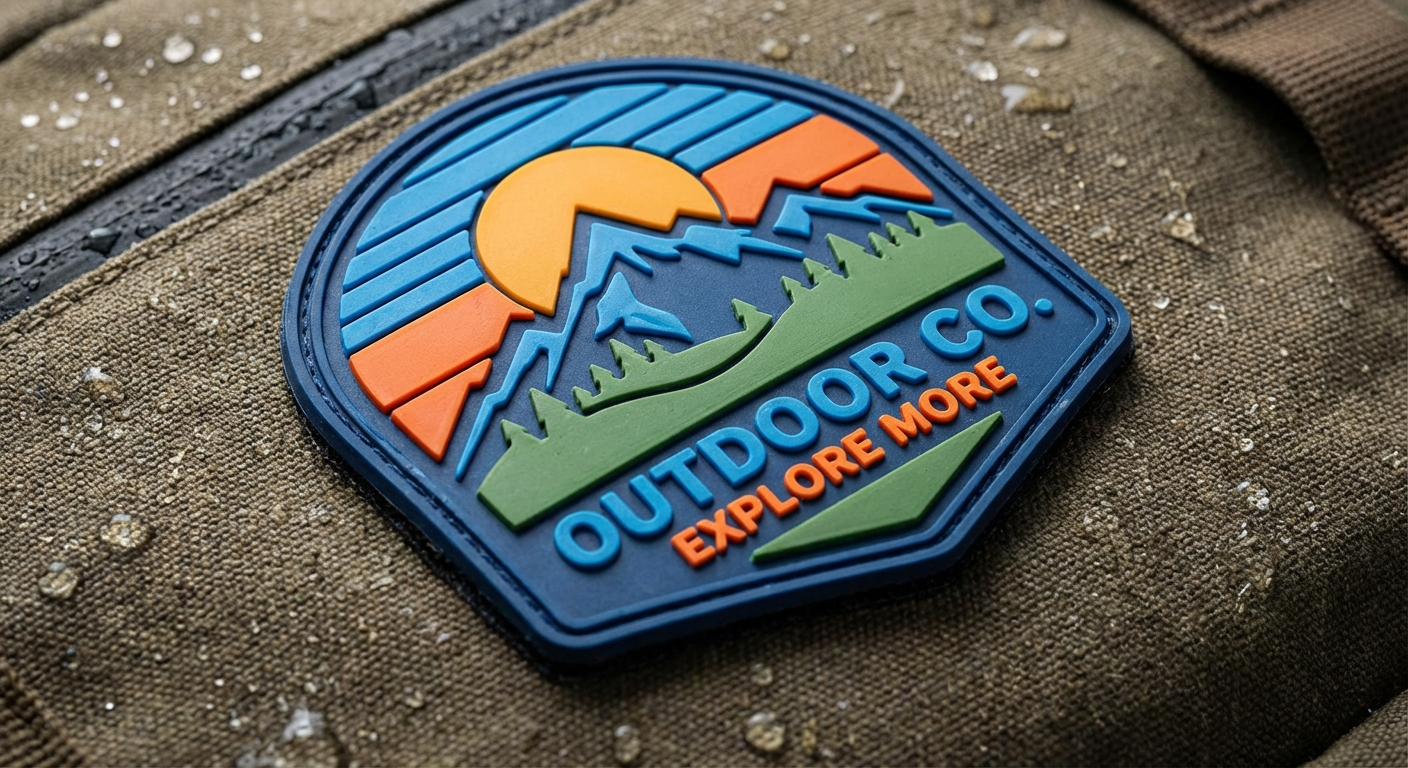
PVC patches represent a newer category in the custom patch world, but they're quickly gaining popularity for good reasons. Made from polyvinyl chloride (PVC) rubber, these patches offer unique properties that traditional embroidered or woven patches can't match.
Since adding PVC patches to our product line, we've seen growing demand from outdoor brands, tactical companies, and anyone needing patches that can handle extreme conditions. Here's everything you need to know about PVC patches and whether they're right for your application.
Understanding PVC Patch Construction
PVC patches are made from flexible rubber material that's molded rather than sewn or woven. The design is created by injecting colored PVC into a mold, which allows for raised 3D effects and intricate detail work impossible with traditional patch-making methods.
The base material is typically 2-3mm thick, giving the patch substantial weight and a premium feel. Colors are mixed into the PVC during production, creating vibrant, fade-resistant designs that won't wear away over time.
Our PVC patches can include multiple levels of raised detail, creating dimensional effects that make logos and text pop off the surface. This 3D capability sets them apart from flat embroidered alternatives.
Key Benefits of PVC Patches
Complete Waterproofing
Unlike fabric-based patches, PVC patches are completely waterproof. They won't absorb moisture, making them ideal for marine applications, outdoor gear, and any equipment exposed to rain or humidity.
This waterproof quality extends to chemical resistance as well. PVC patches can handle exposure to oils, cleaning solvents, and other substances that would stain or damage traditional patches.
3D Raised Effects
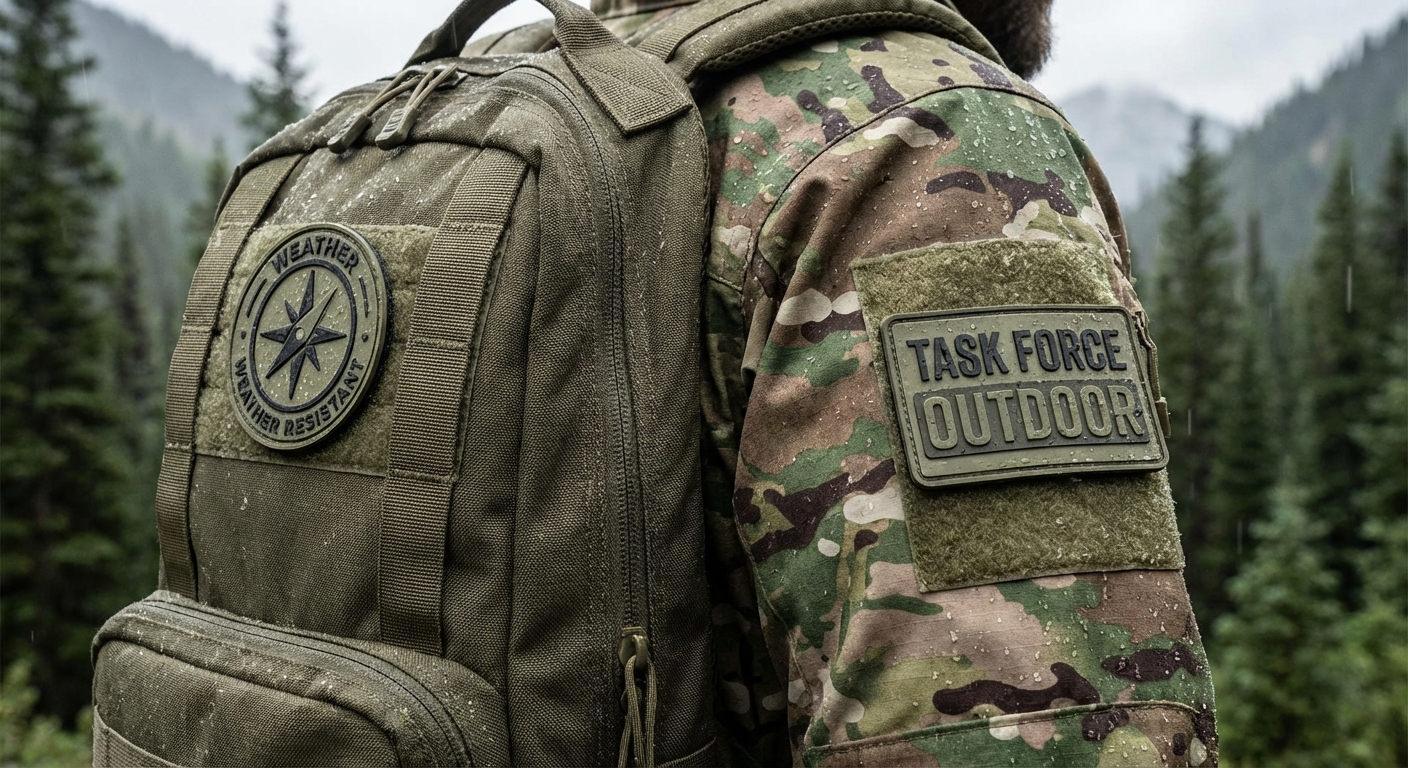
The molding process allows for multiple levels of raised detail. Text can sit higher than background elements, creating dramatic visual effects and improved readability from a distance.
This dimensional quality makes PVC patches excellent for logos with multiple elements or complex branding that benefits from visual hierarchy.
Extreme Durability
PVC patches resist cracking, peeling, and fading better than most alternatives. The rubber material flexes without breaking, even in cold conditions where other patches might become brittle.
Colors are integrated into the material rather than applied as a surface treatment, so they won't wear away with heavy use or repeated washing.
Easy Maintenance
Cleaning PVC patches is simple—just wipe with a damp cloth. The non-porous surface doesn't trap dirt or odors, making these patches ideal for work uniforms and equipment that sees hard use.
They can handle industrial washing cycles and harsh detergents without degrading, which makes them suitable for commercial laundry operations.
Common Applications for PVC Patches
Tactical and Military Gear
The tactical community was among the first to embrace PVC patches. Their durability and weather resistance make them perfect for military equipment, law enforcement gear, and tactical apparel.
The 3D effects work well for unit insignia, morale patches, and identification markers that need to remain readable in challenging conditions.
Outdoor and Adventure Brands
Outdoor gear manufacturers use PVC patches on backpacks, jackets, and equipment where traditional patches would fail. The waterproof nature and UV resistance make them ideal for prolonged outdoor exposure.
Adventure tour companies and outdoor guides appreciate patches that maintain their appearance despite constant exposure to the elements.
Marine and Maritime Applications
Boat manufacturers, marine supply companies, and sailing organizations use PVC patches because they won't degrade in saltwater environments. The patches remain flexible and vibrant even with constant marine exposure.
Life jacket manufacturers often choose PVC patches for safety equipment labeling because they remain readable and attached even after water immersion.
Industrial and Workwear
Industries involving chemicals, oils, or harsh cleaning require patches that can handle aggressive substances. PVC patches resist most industrial chemicals and can be decontaminated easily.
Automotive shops, manufacturing facilities, and chemical plants use PVC patches on uniforms and equipment where traditional patches would quickly deteriorate.
Sports and Recreation
Water sports, winter sports, and outdoor recreation brands benefit from PVC patches' weather resistance. Ski equipment, surfboards, and athletic gear can feature branding that lasts through extreme use.
The raised 3D effects also work well for sports team logos and tournament patches that need to stand out visually.
Design Considerations
Color Limitations and Advantages
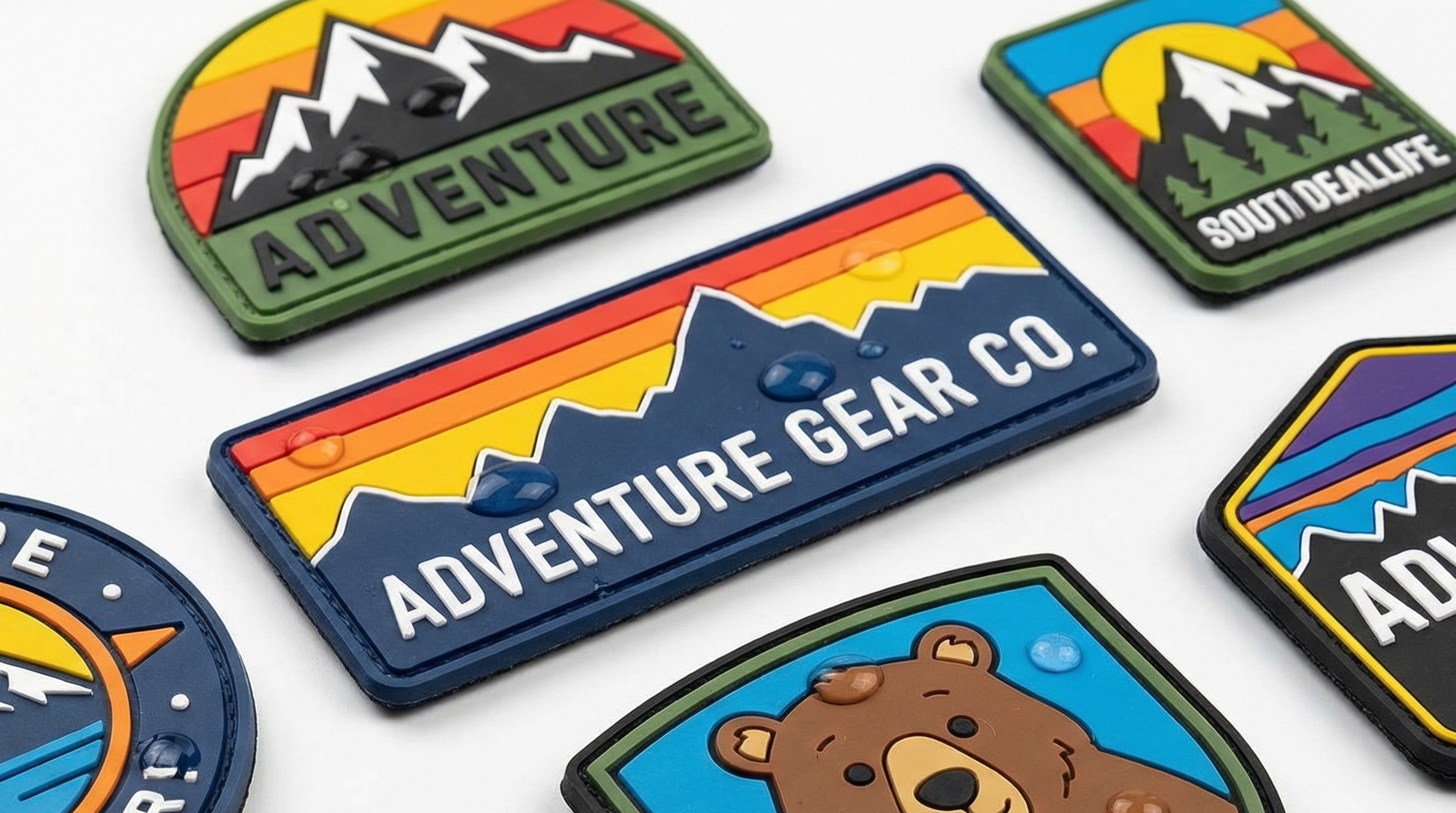
PVC patches typically accommodate 2-4 colors effectively. While this seems limiting compared to embroidered patches, the molding process allows for much more precise color separation and cleaner edges.
Colors appear more saturated and vibrant than traditional patches because the pigments are mixed throughout the material rather than sitting on the surface.
Detail Capabilities
Fine text and intricate details translate better to PVC than to embroidered patches. The molding process can achieve crisp edges and small elements that would be impossible with thread.
However, extremely fine details (smaller than 1mm) may not reproduce clearly, so design accordingly. Bold, simple elements work best for maximum impact.
Size and Thickness
PVC patches work well in sizes from 1" up to 6" in any dimension. Larger patches showcase the 3D effects better, while smaller patches focus attention on essential brand elements.
The standard 2-3mm thickness provides substantial feel without being bulky. Thicker patches (up to 5mm) are available for special applications requiring extra prominence.
Attachment Methods
Hook and Loop (Velcro)
Most PVC patches use hook and loop backing for removable attachment. This works perfectly for tactical applications where patches need to be swapped or changed regularly.
The strong adhesive bonds well to PVC, creating a secure attachment that won't fail under normal use.
Sewn Attachment
PVC patches can be sewn onto garments. The material accepts stitching well, though care must be taken not to over-penetrate the rubber with needle holes.
This method works for uniform applications where hook and loop isn't desired but removability isn't important.
Adhesive Backing
While less common, permanent adhesive backing works for applications where the patch won't need removal. The strong bond holds even on curved surfaces and rough textures.
This option works well for equipment labeling and branding applications where permanence is preferred.
Design Tips for Best Results
Embrace Bold Design Elements
PVC patches excel at bold, graphic designs rather than subtle or detailed artwork. Think about designs that will benefit from the 3D raised effects rather than fighting against the medium's strengths.
Strong contrast between raised and recessed areas creates the most dramatic visual impact.
Consider Practical Use
Think about where the patch will be used and design accordingly. Patches for outdoor gear can feature brighter colors, while professional applications might call for more subdued tones.
Consider how the patch will look when partially obscured by straps, equipment, or other gear.
Plan for Different Lighting
The 3D effects create shadows that change the patch's appearance under different lighting conditions. What looks great under bright lights might appear different in dim conditions.
Test designs with various color combinations to ensure readability in different environments.
Ordering Considerations
Minimum Quantities
PVC patches require mold creation, which means higher minimum orders than embroidered patches. Our minimums start at 100 pieces, making them suitable for established brands rather than small test runs.
The higher minimum is offset by competitive per-piece pricing, especially for larger quantities.
Production Timeline
Expect longer production times than traditional patches due to the mold creation and curing process. Plan for 15-20 business days from artwork approval to shipping.
Rush production is available but limited by the curing time required for quality PVC patches.
Artwork Requirements
Vector artwork necessary for PVC patches. The clean lines and solid colors of vector graphics are best translated to the molding process.
Gradients and photographic elements don't work well with PVC patches, so stick to solid colors and clear graphic elements.
Cost Comparison
PVC patches typically cost more than basic embroidered patches but less than complex multi-color embroidered designs. The durability and unique properties often justify the higher cost for appropriate applications.
Consider total cost of ownership—PVC patches last longer and maintain their appearance better than alternatives, potentially offering better long-term value.
For applications requiring weather resistance or chemical exposure, PVC patches often cost less than constantly replacing damaged traditional patches.
Care and Maintenance
PVC patches require minimal care beyond occasional cleaning with a damp cloth. They don't need special storage conditions and won't degrade from normal handling.
Avoid sharp objects that might puncture the material, and don't expose to extreme heat sources that could cause warping or melting.
The patches handle normal washing machine cycles well, though air drying is recommended to prevent potential heat damage from high dryer temperatures.
Is PVC Right for Your Application?
PVC patches excel when durability, weather resistance, and 3D visual effects matter more than traditional fabric feel. They're perfect for outdoor brands, tactical applications, and any use requiring patches to withstand harsh conditions.
They're not ideal for formal wear, delicate fabrics, or applications where the rubber feel would seem out of place. Traditional embroidered patches still work better for dress uniforms and elegant apparel.
Consider PVC patches when you need patches that will maintain their appearance through extreme use, exposure to elements, or chemical contact. The unique properties make them worth considering for any application where traditional patches have failed or proven inadequate.
Ready to explore PVC patches for your brand? We offer design consultation and can help determine if PVC patches fit your application. Contact us for samples and pricing—with low minimums starting at 100 pieces, it's easy to test this durable patch option for your specific needs.
The information below is required for social login
Sign In
Create New Account