


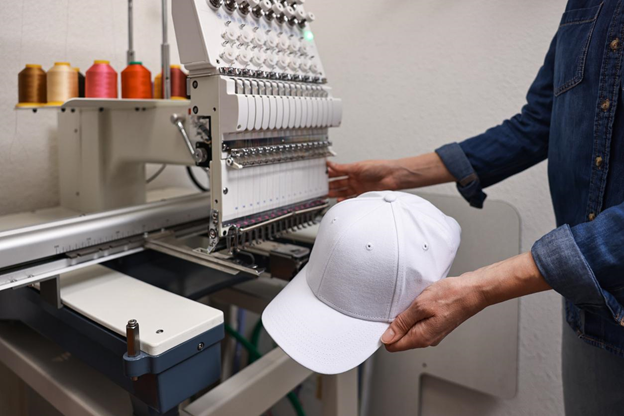
When creating branded or custom headwear, one of the most important decisions you will make is how your design is applied. Two of the most popular options are custom hat patches and direct embroidery. Both methods have their strengths, and the best choice depends on your goals, budget, and the style you want to achieve.
Understanding the differences between custom hat patches and direct embroidery can help you make an informed decision that results in better looking hats and stronger brand impact.
Custom Hat Patches
Custom hat patches are separate pieces of material that feature your design and are attached to a hat after production. These patches can be made from a variety of materials, including embroidered fabric, woven threads, leather, PVC, or even metal. Once created, the patch is sewn, heat pressed, or adhered to the hat depending on the backing used.
One of the main advantages of custom hat patches is flexibility. Because the patch is created separately from the hat, you can experiment with textures, materials, and shapes that would be difficult or impossible to achieve with direct embroidery. This makes custom hat patches a popular choice for fashion brands, outdoor companies, and lifestyle businesses looking for a premium or distinctive look.
Direct Embroidery
Direct embroidery involves stitching your design directly into the fabric of the hat using embroidery machines. The thread becomes part of the hat itself, creating a clean and traditional appearance. This method has been widely used for decades and remains a standard choice for corporate logos, team hats, and uniforms.
Direct embroidery works best for simple logos and text designs. It is durable, long lasting, and provides a classic aesthetic that many brands prefer. Since there is no additional component added to the hat, direct embroidery can also feel lighter and more streamlined.
Visual Impact and Design Detail
One of the biggest differences between custom hat patches and direct embroidery is the level of visual impact and design detail. Custom hat patches allow for more intricate designs, sharper edges, and unique finishes. Woven patches can handle small text and detailed artwork, while leather and PVC patches add depth and texture that stands out.
Direct embroidery has limitations when it comes to fine details. Small text, thin lines, and complex graphics can lose clarity when stitched directly onto a hat, especially on structured caps or thick fabrics. While modern embroidery machines have improved precision, there are still physical limits to how much detail thread can achieve.
If your design includes detailed artwork or requires a bold statement, custom hat patches often deliver better results.
Cost Considerations
Cost plays a major role when choosing between custom hat patches and direct embroidery. Direct embroidery is often more affordable for smaller orders or simple designs since it eliminates the need for producing a separate patch. You are paying primarily for machine time and thread.
Custom hat patches usually involve higher upfront costs because the patch itself must be manufactured before it is attached to the hat. However, patches can become more cost effective for larger orders. Once a patch design is created, it can be used across multiple hat styles, colors, or even other products without redesigning or re digitizing artwork.
For brands planning to scale or offer multiple hat variations, custom hat patches may provide better long term value.
Durability and Wear
Both methods can be highly durable when done correctly, but they wear differently over time. Direct embroidery is stitched directly into the hat fabric, making it resistant to peeling or detachment. It holds up well through repeated wear and washing, especially on high quality hats.
Custom hat patches are also durable, but their longevity depends on the material and attachment method. Sewn patches tend to last the longest, while heat pressed patches may show wear sooner if exposed to high heat or frequent washing. Leather and PVC patches are especially durable and often develop character as they age.
For workwear or hats that will see heavy use, both options can perform well, but the construction quality matters more than the method itself.
Versatility and Customization
Custom hat patches offer greater versatility than direct embroidery. You can switch patches between different hat styles without changing the base production process. This makes it easier to test new designs, run limited editions, or refresh your branding without committing to large embroidery setups.
Patches also allow you to customize placement more easily. They can be applied to the front panel, side panels, back, or even the brim. This opens up creative possibilities that are harder to achieve with direct embroidery.
Direct embroidery is less flexible once the design is digitized. Any change to size, placement, or color often requires adjustments that add time and cost.
Brand Perception and Style
The method you choose affects how customers perceive your brand. Custom hat patches often convey a premium, handcrafted, or fashion forward image. They are commonly associated with streetwear, outdoor gear, and boutique brands that want to stand out.
Direct embroidery is viewed as clean, professional, and timeless. It works well for corporate branding, uniforms, and classic logo designs. If your brand values simplicity and tradition, direct embroidery may align better with your image.
Neither option is inherently better, but each sends a different message.
Which Option Is Right for You
Choosing between custom hat patches and direct embroidery comes down to your specific needs. If you want detailed designs, unique materials, and flexibility across products, custom hat patches are often the better choice. If you prefer a classic look, faster production, and lower upfront costs, direct embroidery may be ideal.
Many successful brands use both methods depending on the collection or purpose of the hat. By understanding the strengths of each option, you can select the approach that best supports your design goals and brand identity.
The information below is required for social login
Sign In
Create New Account