


The artwork is finished, the palette is approved, and the physical sample finally lands on your desk. Visually, it’s perfect, but before clearing it for production, there is one detail that should always be considered: how this piece is actually applied to the garment.
It’s an easy detail to forget, yet the backing you specify dictates how the patch drapes, how much labor goes into assembly, and whether the product stays crisp or degrades after a few wash cycles. Choosing between heat-seal adhesive or a traditional sew-on method completely shifts the look, feel, and longevity of the finished garment or accessory.
Adhesive Backing: Fast, Flat, Convenient
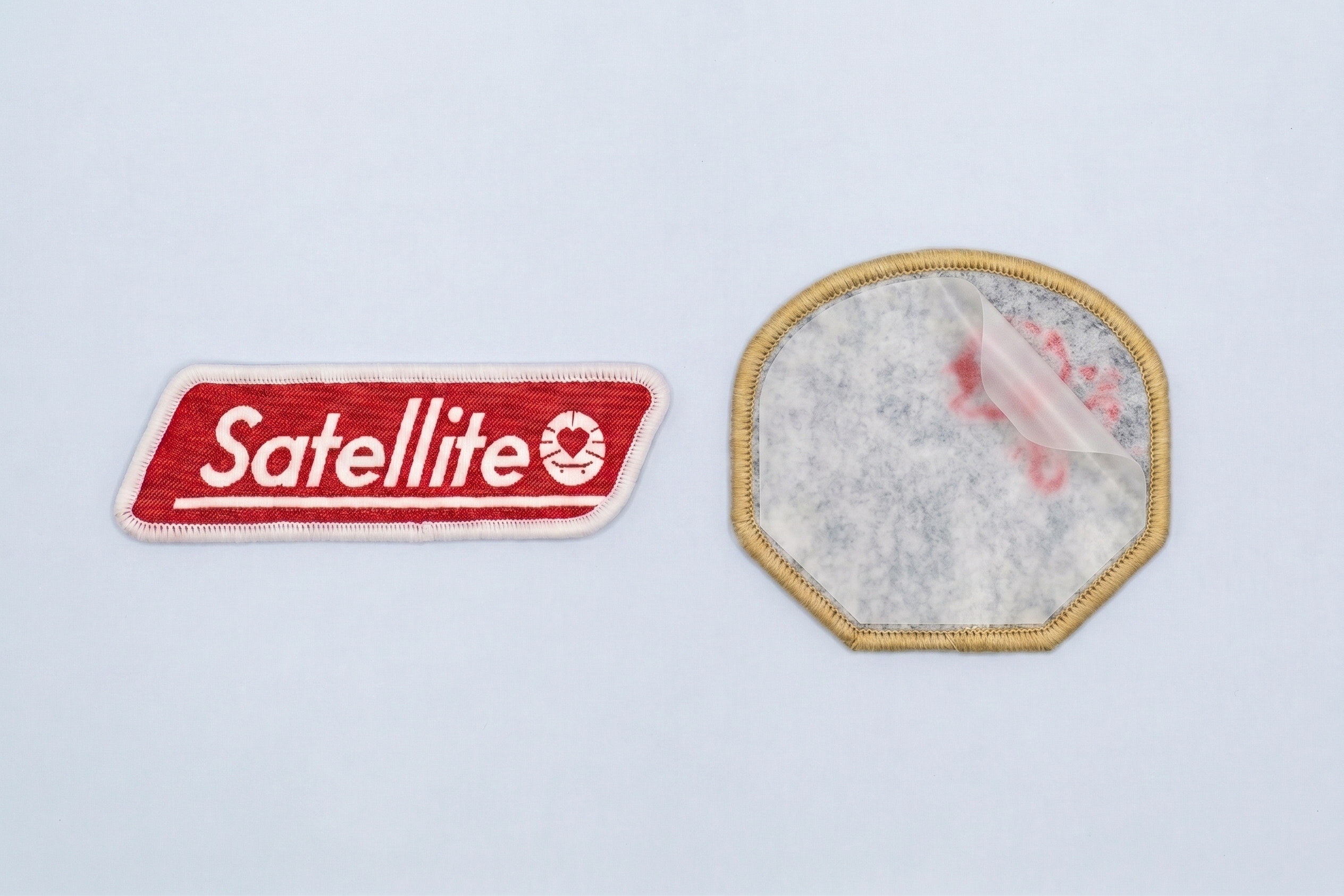
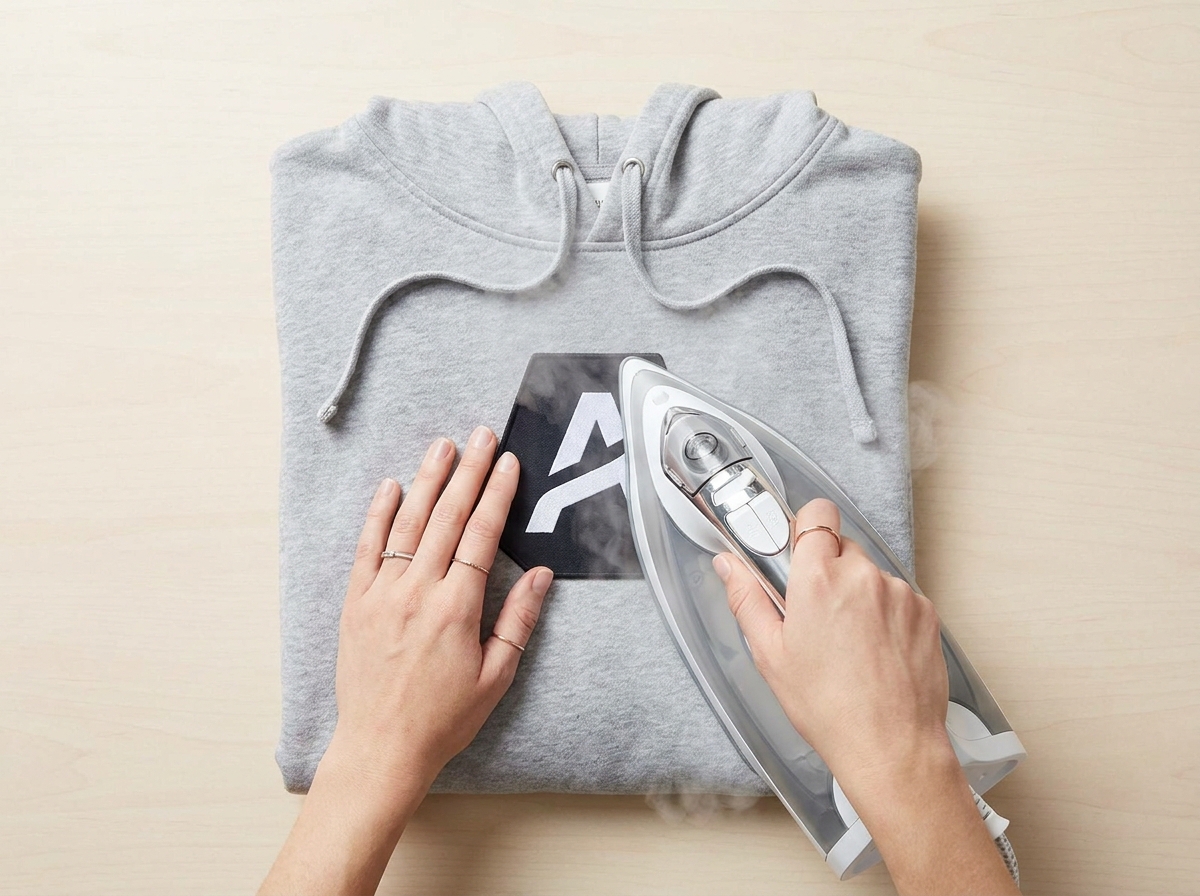
Adhesive backing bonds the patch to fabric with heat. Most people know it as iron-on. A thin layer of heat-activated glue sits on the back of the patch. Press it with heat and pressure and it sticks. No needle, no thread, no sewing machine.
The appeal is speed. A customer can apply an iron-on patch at home in under a minute. For brands shipping DIY kits, promo drops, or limited runs where the buyer places the patch themselves, this is a real advantage. It also sits flat and clean against the fabric, which suits smaller logo patches and minimalist designs.
But adhesive has limits, and you should know them upfront. Heat-activated glue does not love repeated washing. After enough cycles edges lift, and high-heat dryers can accelerate the weakening of the bond. Adhesive also struggles on certain fabrics like nylon, waterproof shells, and heavily textured knits; they do not take an iron-on well, either because the material cannot handle the heat or because the surface will not grip.
Our take: adhesive is excellent for light-use apparel, promotional items, and any product where the end user applies the patch. For a hoodie that gets worn hard and washed weekly, adhesive alone is a gamble.
Sew-On: The Streetwear Standard for Permanence
Sew-on is exactly what it sounds like. The patch is stitched to the garment through its border. No glue involved. Just thread doing what thread has done for a century.
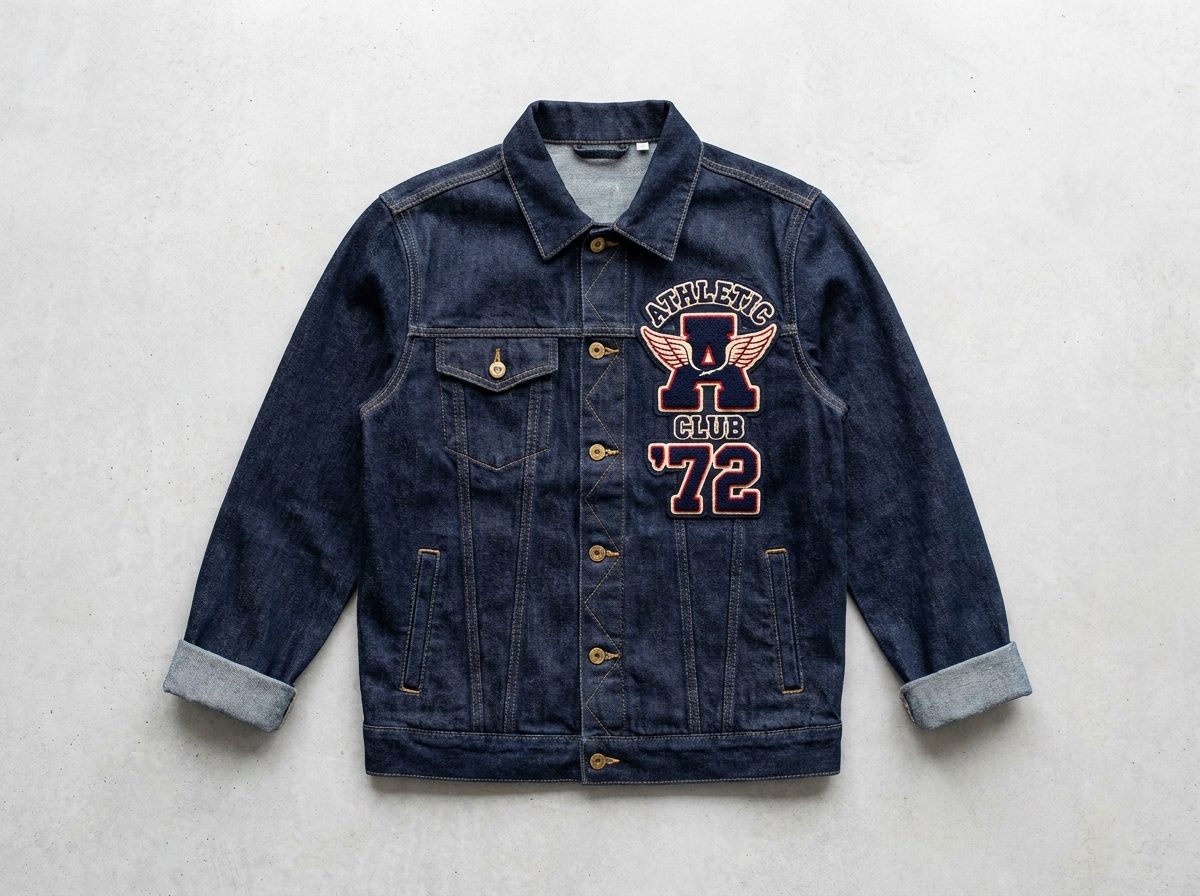
This is the most durable attachment method there is. A properly sewn patch outlasts the garment. It survives industrial wash cycles, hot dryers, and years of wear. If your brand sells jackets, work-inspired pieces, or anything meant to age with the wearer, sew-on is the move.
There is a look to it too. A visible stitch border reads authentic and signals craft. Denim brands and heritage labels lean into sew-on precisely because the stitching becomes part of the aesthetic. It says this was made to last.
The trade-off is labor. Sewing takes time and a skilled hand or machine. For a production run, that means added cost per unit and a longer timeline than a heat-applied adhesive patch. It is not a method your customer applies at home unless they own a machine and know how to use it.
Backing Types Beyond the Basics
Adhesive and sew-on are the most common options, however, additional backing options are available for a full range of application methods.
Velcro® (hook-and-loop): The patch attaches and detaches at will. Standard for tactical gear, uniforms, and any piece where the wearer swaps patches. Popular in streetwear too, for modular looks where one jacket carries different patches on different days.
Peel-and-stick: A pressure-sensitive adhesive, no heat needed. Convenient but the least permanent. Best for short-term applications, events, and surfaces you would not iron. The peel-and-stick option is also a great addition to hold products in place for sewing later on.
Plastic backing: A stiffener that keeps the patch rigid and flat. Often paired with sew-on to hold shape on caps and structured garments.
What the Border Tells You Before You Even Attach It
Backing choice and border finish work together, and buyers notice both. A merrow border, that raised overlocked edge you see on classic varsity and biker patches, holds up beautifully with sew-on because the stitching reinforces an already thick edge. A laser-cut or heat-sealed edge sits flatter and pairs cleanly with adhesive on smaller logo patches.
If you are ordering an iron-on patch, keep the shape simple and the edges sealed. Complex shapes with lots of fine points can lift at the corners once the adhesive starts to age. Sew-on forgives complexity because the thread anchors the whole perimeter. So the backing decision loops back into the artwork itself. The more intricate the patch, the more you should lean toward stitching to keep every edge secured.
This is the kind of detail that separates a brand that just orders patches from one that engineers them. Your customer may never use the word backing, but they feel the difference the first time a patch survives a year of wear instead of curling off in two months.
Durability, Head to Head
If you are looking for your patch or label to stay attached through the lifetime of the garment, a sew-on application is the best option. An iron-on backing holds well through time but will degrade with additional heat and washing over time.
Think about the garment's life. A festival tee worn a handful of times can ride on adhesive fine. A daily-wear jacket, a work shirt, a piece you want customers photographing two years from now: that needs stitching. Match the backing to how the garment will be used, not to what is cheapest on the invoice.
Fabric matters as much as use. Thick cotton, canvas, and denim take stitching beautifully and hold adhesive reasonably well. Technical fabrics, waterproof shells, and delicate knits often rule adhesive out entirely and push you toward sew-on or Velcro.
Cost and Production Reality
Adhesive backing is usually cheaper at the production stage and faster to turn around, since there is no sewing labor built into the patch itself. If you are running a large volume drop on a tight timeline and the end user applies the patch, adhesive keeps costs lean.
Sew-on adds labor if you want the patches pre-attached before garments ship. If you sell loose patches and let customers or their tailors handle application, the patch cost stays low and the buyer absorbs the effort. Plenty of brands sell sew-on patches exactly this way and let the stitching become part of the customer's own ritual.
Our custom embroidered patches come with your choice of backing, and our minimums start at just 5 pieces, so you can sample a run before committing to a full production order. Test the backing on your actual garment before you scale. Always.
So Which One Do You Pick?
Go adhesive if the end user applies the patch, the garment sees light use, and speed and cost lead the brief. Go sew-on if permanence, durability, and that authentic stitched look are the priority, and if the piece is built to last. When you want both, iron-on plus sew-on covers you.
The backing is not an afterthought. It is a design decision that shapes how your work holds up in the real world. Spec it with the same intention you brought to the artwork.
Working on a custom patch and not sure which backing fits your project? Our team helps brands make this call every day. Reach out for a free quote. Low minimums, fast turnaround, and backing options that match how your customers actually wear your gear.
The information below is required for social login
Sign In
Create New Account